How can universities move beyond delivering projects and become true drivers of regional transformation?
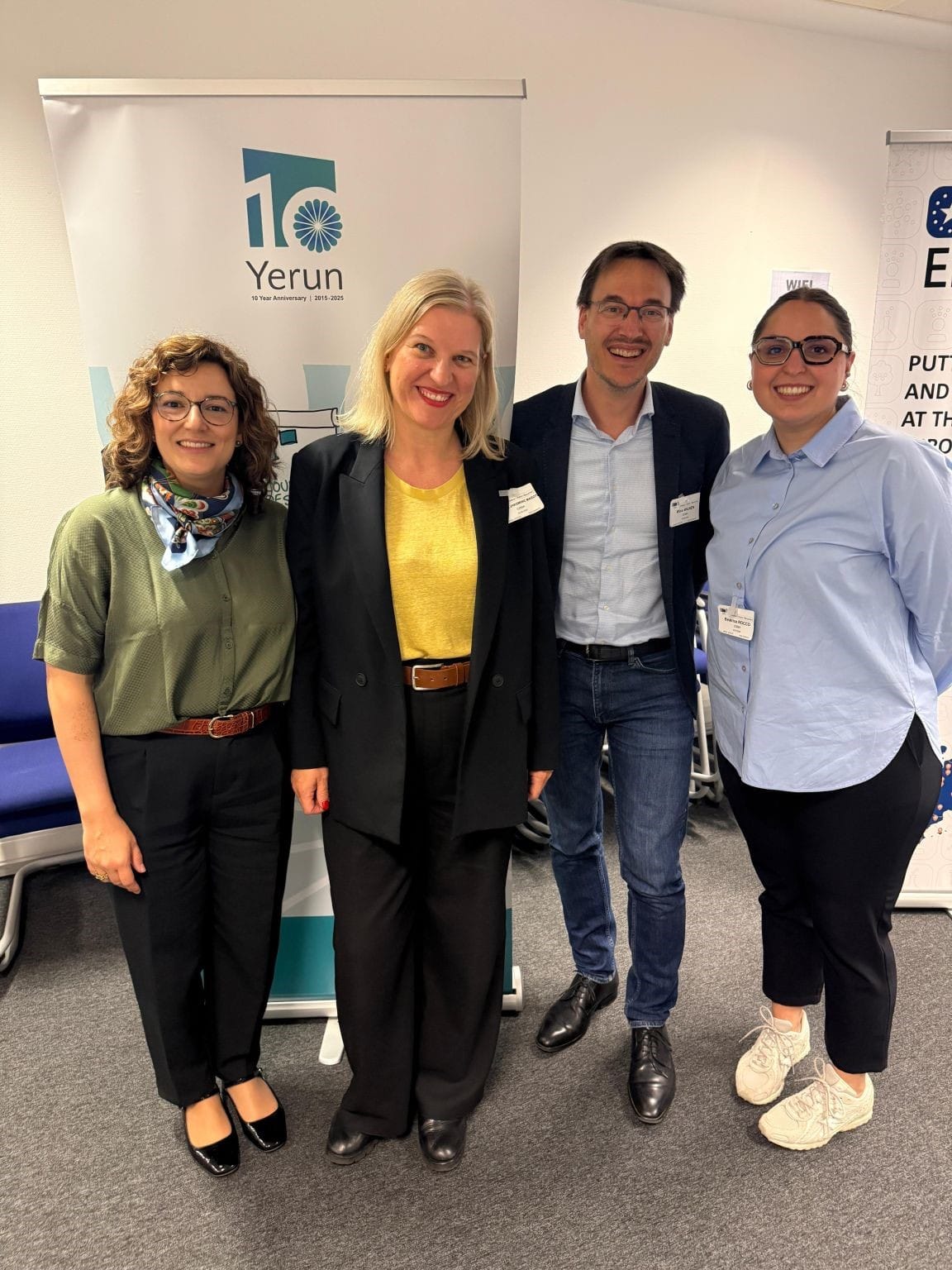
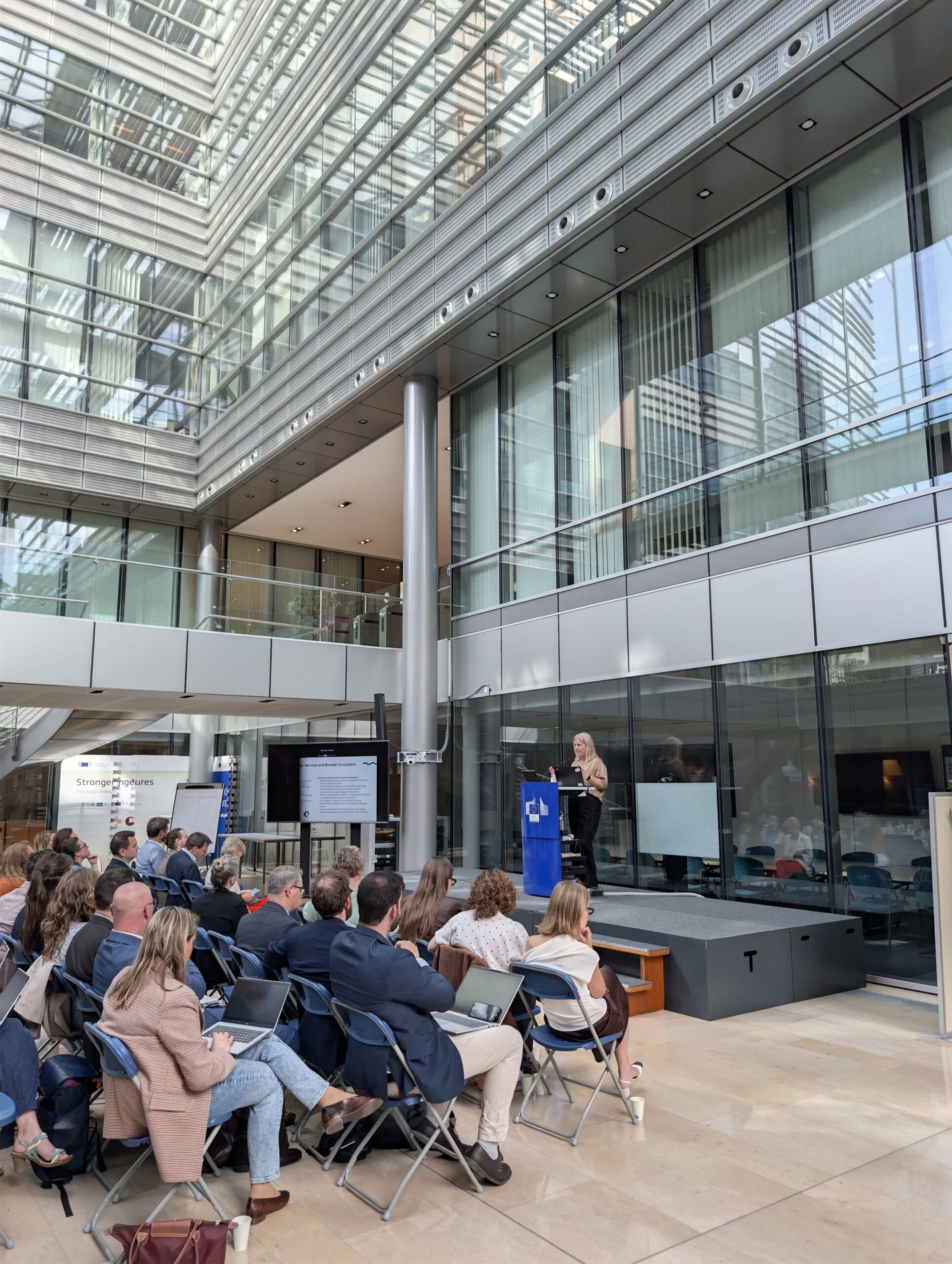
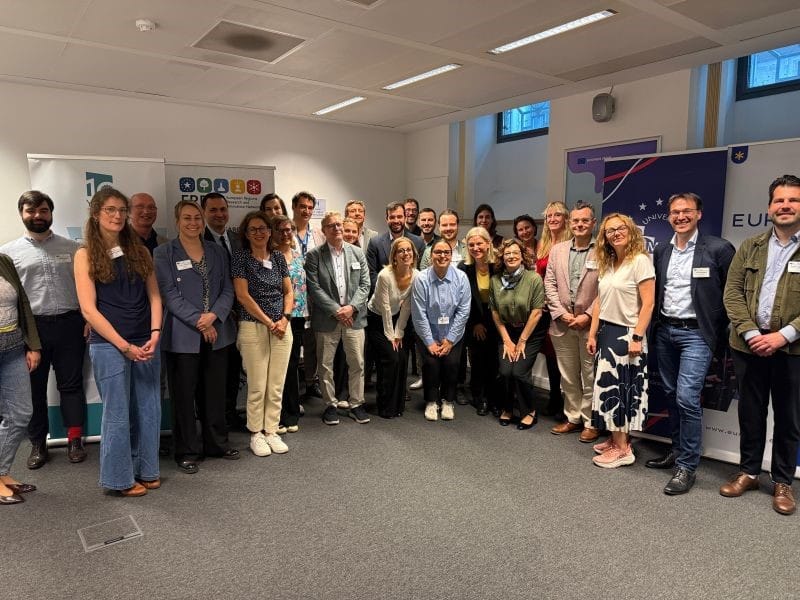
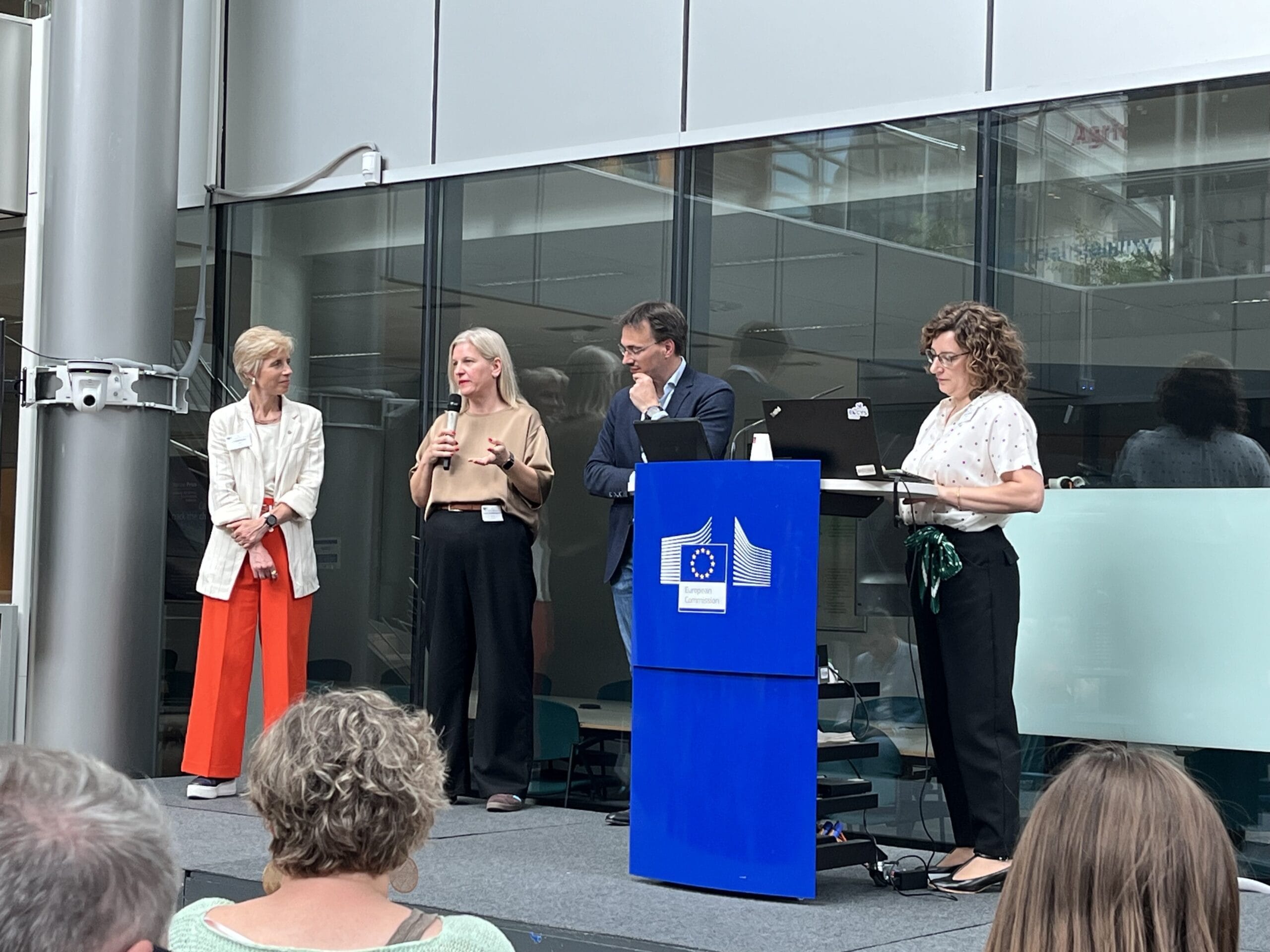
This question was at the centre of the ERA Structural Policy Workshop on Higher Education Institutions as Ecosystem Anchors, held in Brussels, where representatives from seven European regions came together to exchange experiences and explore the evolving role of universities within innovation ecosystems.
Nataša Jakominić Marot of the University of Rijeka, an INNO2MARE consortium partner, emphasized the pivotal role of universities as natural and neutral ecosystem anchors and the role of INNO2MARE in developing it. Through the alignment of their four core missions—education, research, knowledge transfer and valorisation, and societal engagement—universities serve as connectors across sectors, disciplines, and communities, enabling trusted partnerships and driving the development of resilient and innovative regional ecosystems.
This distinctive role enables them to build trusted relationships and foster collaboration among industry, public authorities, civil society organisations, entrepreneurs, and researchers. As a result, universities serve not only as centres of knowledge creation but also as catalysts for innovation, regional development, and societal progress.
When these missions operate in isolation, universities generate valuable outputs. When they are strategically aligned, however, universities become powerful agents of transformation, creating long-term impact that extends well beyond the lifetime of individual projects and contributes to the resilience and competitiveness of regional innovation ecosystems.
From Projects to Ecosystems
Throughout the workshop, participants explored how higher education institutions are evolving from project-based actors into the connective tissue of regional innovation ecosystems. This shift requires long-term vision, sustained collaboration, and the ability to align diverse stakeholders around common goals.
For innovation ecosystems to thrive, universities must facilitate knowledge exchange, support talent development, encourage entrepreneurship, and foster collaboration across sectors. By doing so, they help create environments where innovation can emerge, scale, and generate societal and economic value.
The Power of Funding Synergies
Another important takeaway from the discussions was the role of funding in supporting ecosystem development.
Rather than viewing individual funding instruments as separate opportunities, participants highlighted the importance of creating synergies between programmes such as Horizon Europe, the Digital Europe Programme (DEP), the European Regional Development Fund (ERDF), the Recovery and Resilience Facility (RRF), and institutional funding schemes.
While each instrument contributes valuable resources, none can independently provide the foundation needed for sustainable ecosystem development. When strategically combined and aligned with regional priorities, these funding mechanisms become powerful tools for building innovation capacity, strengthening collaboration, and supporting long-term transformation.
INNO2MARE and EDIH Adria: Part of a Broader Vision
This ecosystem-based approach is already being implemented in the Rijeka innovation ecosystem. Initiatives such as INNO2MARE and EDIH Adria are not viewed as standalone projects but as complementary components of a broader strategy aimed at strengthening regional innovation capacities and accelerating the green and digital transition.
Through collaboration between universities, research organisations, businesses, public authorities, and innovation support organisations, these initiatives contribute to the creation of a more connected, resilient and competitive innovation ecosystem in the Adriatic region.
Shaping Future Policies for Innovation Ecosystems
The workshop also provided an opportunity to identify common success factors and jointly develop policy recommendations. Discussions focused on improving funding design, reforming incentive systems, promoting intersectoral mobility, and supporting long-term structural collaboration between ecosystem stakeholders.
As Europe continues to address major societal and economic challenges, strengthening the role of universities as ecosystem anchors will be essential for ensuring that innovation ecosystems remain dynamic, inclusive, and capable of delivering sustainable impact.
The challenge ahead is to translate these discussions into concrete actions and policies that support universities, regions, industry, and other stakeholders in building stronger and more effective innovation ecosystems across Europe.
For INNO2MARE, this vision reinforces the project's commitment to fostering cross-sector collaboration, knowledge transfer, and innovation-driven regional development, demonstrating how coordinated ecosystem action can create lasting value for society and the economy.